History
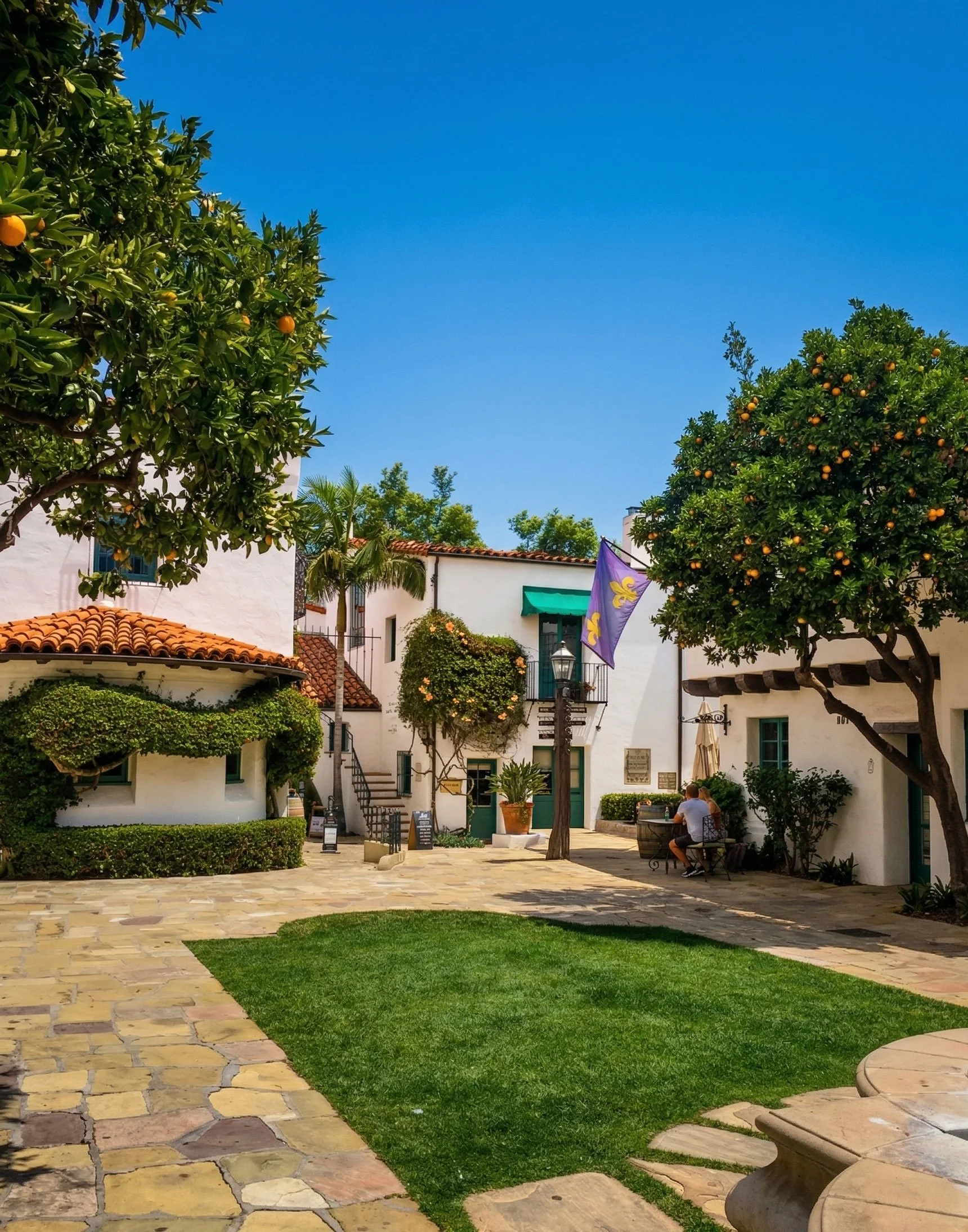
From its origins as an 1820s commandante’s estate to its rebirth as California’s first Mediterranean shopping village, El Paseo stands as a living testament to two centuries of Santa Barbara heritage.

The Golden Age
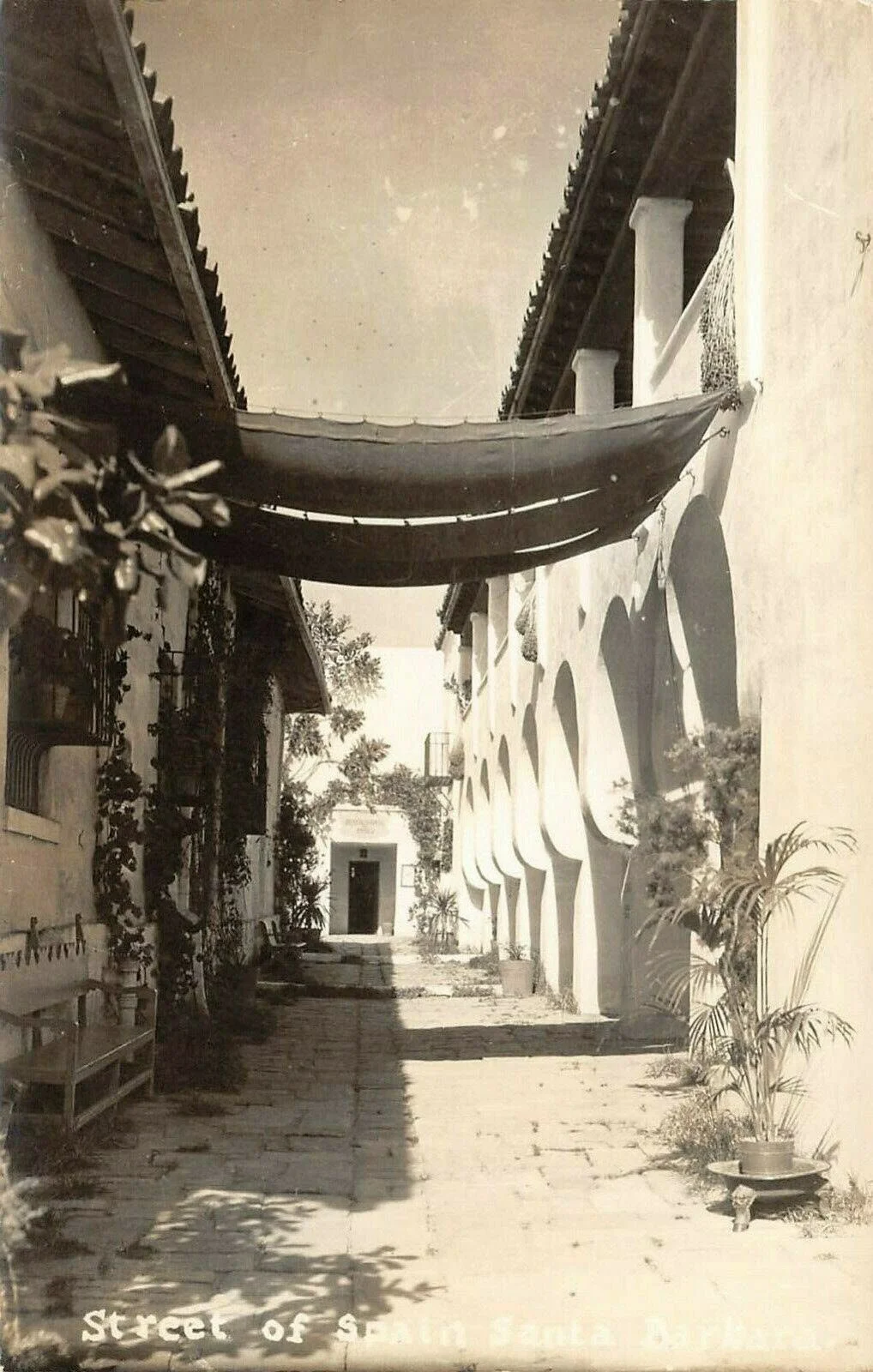
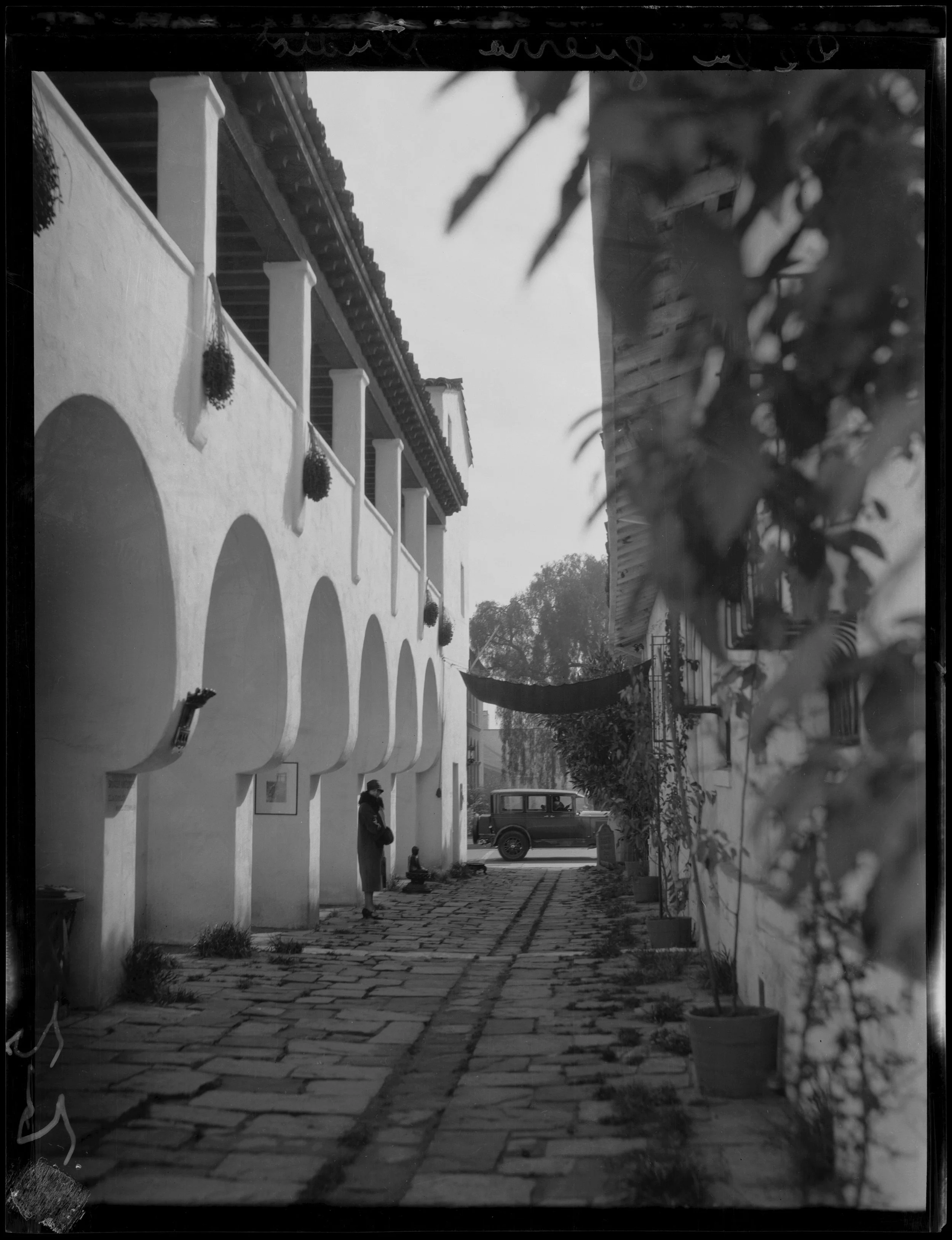
More than just a collection of shops, El Paseo became the heartbeat of Santa Barbara’s social calendar. It was here that the traditions of Old Spanish Days were nurtured, transforming the property into a festive gathering place for generations of locals. Between the historic walls of the de la Guerra home and the vibrant “Street in Spain,” these storied courtyards preserved the warmth of early California hospitality, ensuring that the spirit of the past remained a central part of the city’s future.
Exploring Downtown Santa Barbara History
The story begins with Casa de la Guerra, the ancestral home of José de la Guerra, the fifth Comandante of the Santa Barbara Presidio. Built primarily by Chumash laborers, the adobe was the social and political epicenter of Alta California. It famously hosted the three-day wedding of Anita de la Guerra, an event immortalized by Richard Henry Dana in his classic, Two Years Before the Mast.

In the early 1920s, visionary architects James Osborne Craig and Carleton Winslow (who took over after Craig’s untimely death) reimagined the block surrounding the old adobe. They created an enchanting "Street in Spain"—a romanticized village of artisan studios, shops, and a central restaurant.
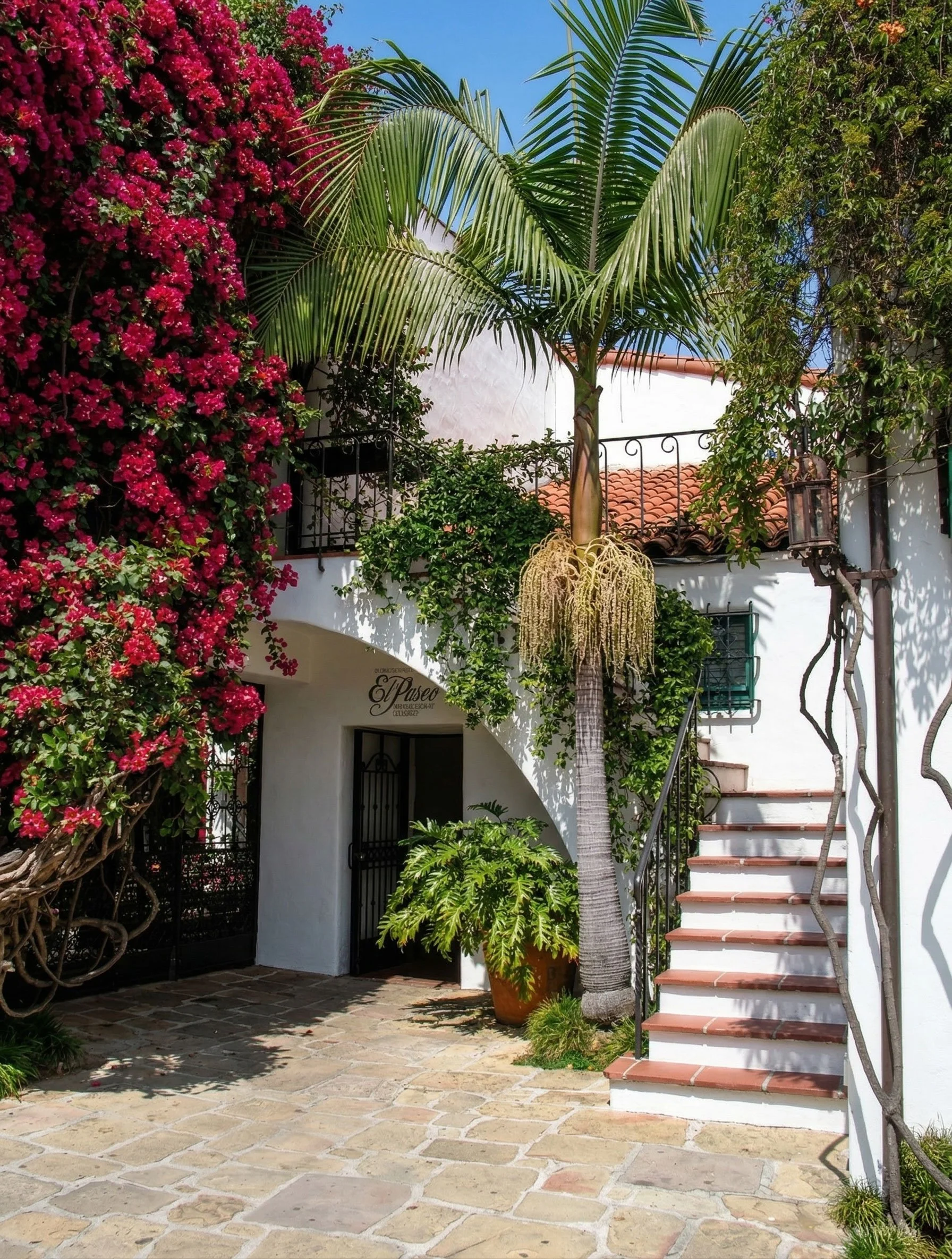
El Paseo served as the "proof of concept" for Santa Barbara’s signature architectural look. After the devastating 1925 earthquake, the city used El Paseo as the blueprint for rebuilding the entire downtown in the Spanish Colonial Revival style.
A century later, El Paseo remains the crown jewel of downtown Santa Barbara. Not just as a monument to the past, but as a thriving destination for modern life. The same sun-drenched courtyards that inspired a city's rebirth now host a premier collection of artisan boutiques, world-class wine tasting rooms, and award-winning restaurants.