
El Paseo
Historic Charm, Modern Santa Barbara
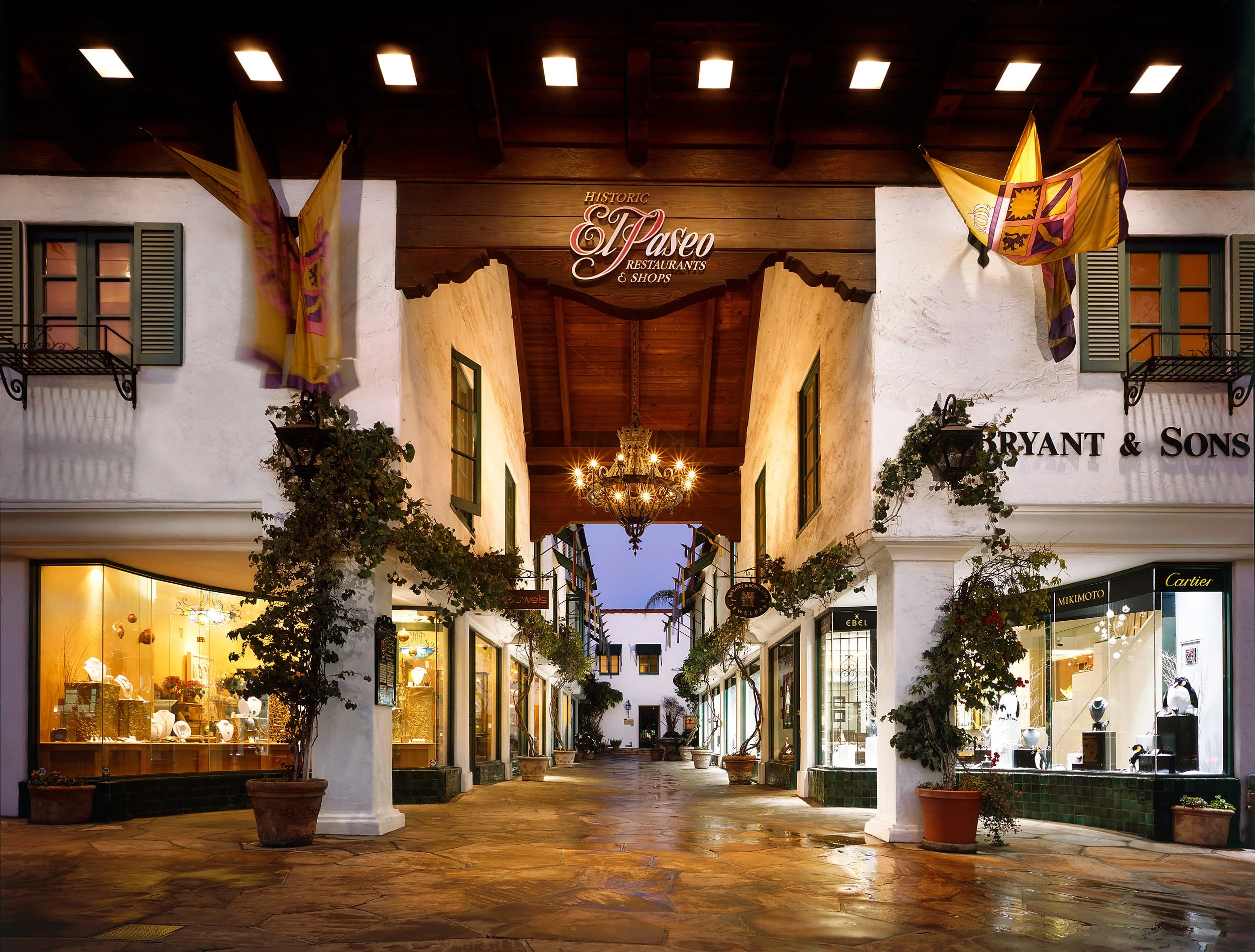
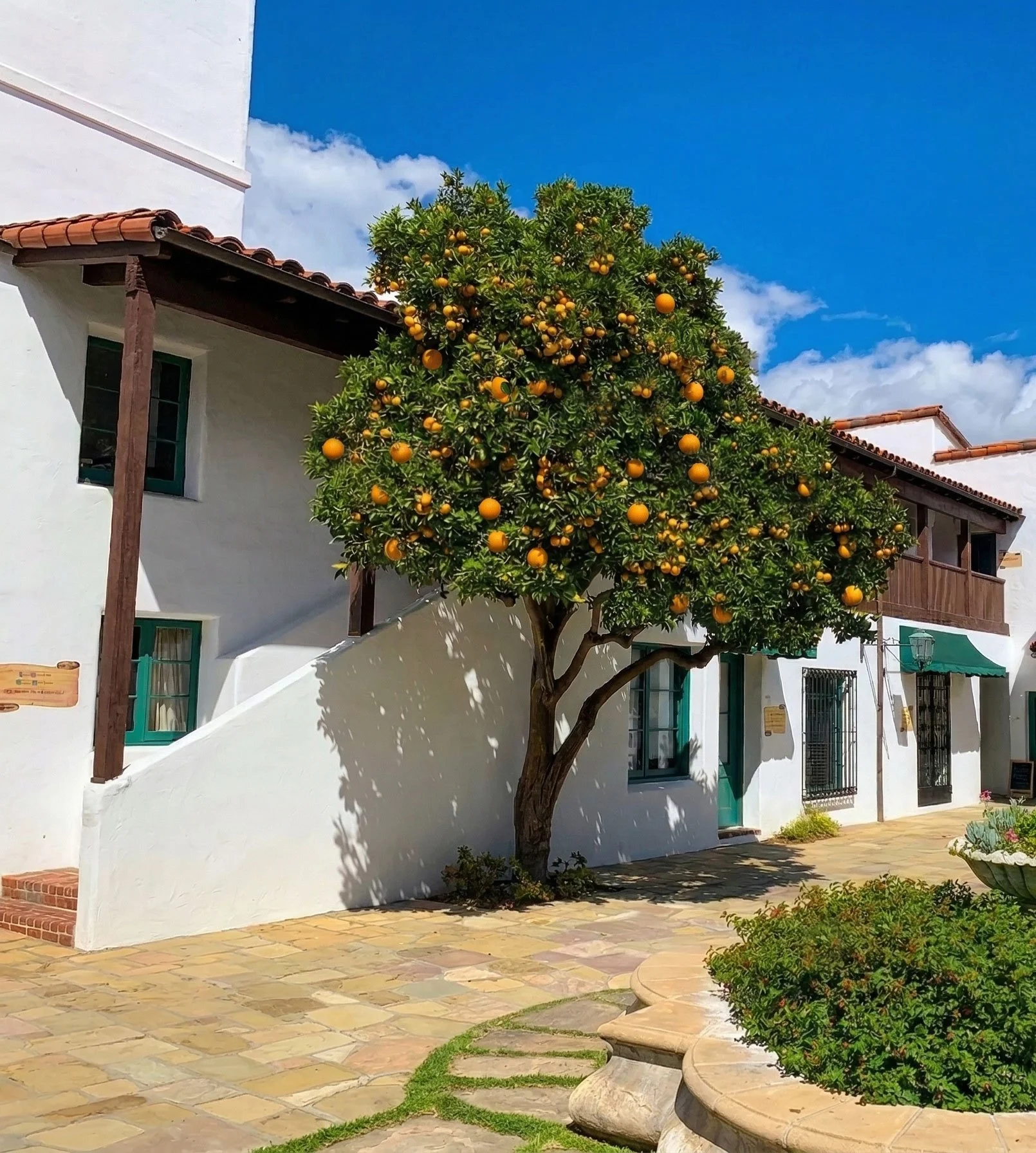
Rich in history and unmistakably Santa Barbara, Historic El Paseo is where Spanish Colonial charm meets modern-day vibrance. Stroll beneath orange trees, admire the artistry of hand-laid tiles, and discover a one-of-a-kind mix of local wineries, dining, wellness boutiques, and more. Every corner tells a story and every visit feels like a new chapter.


Our History
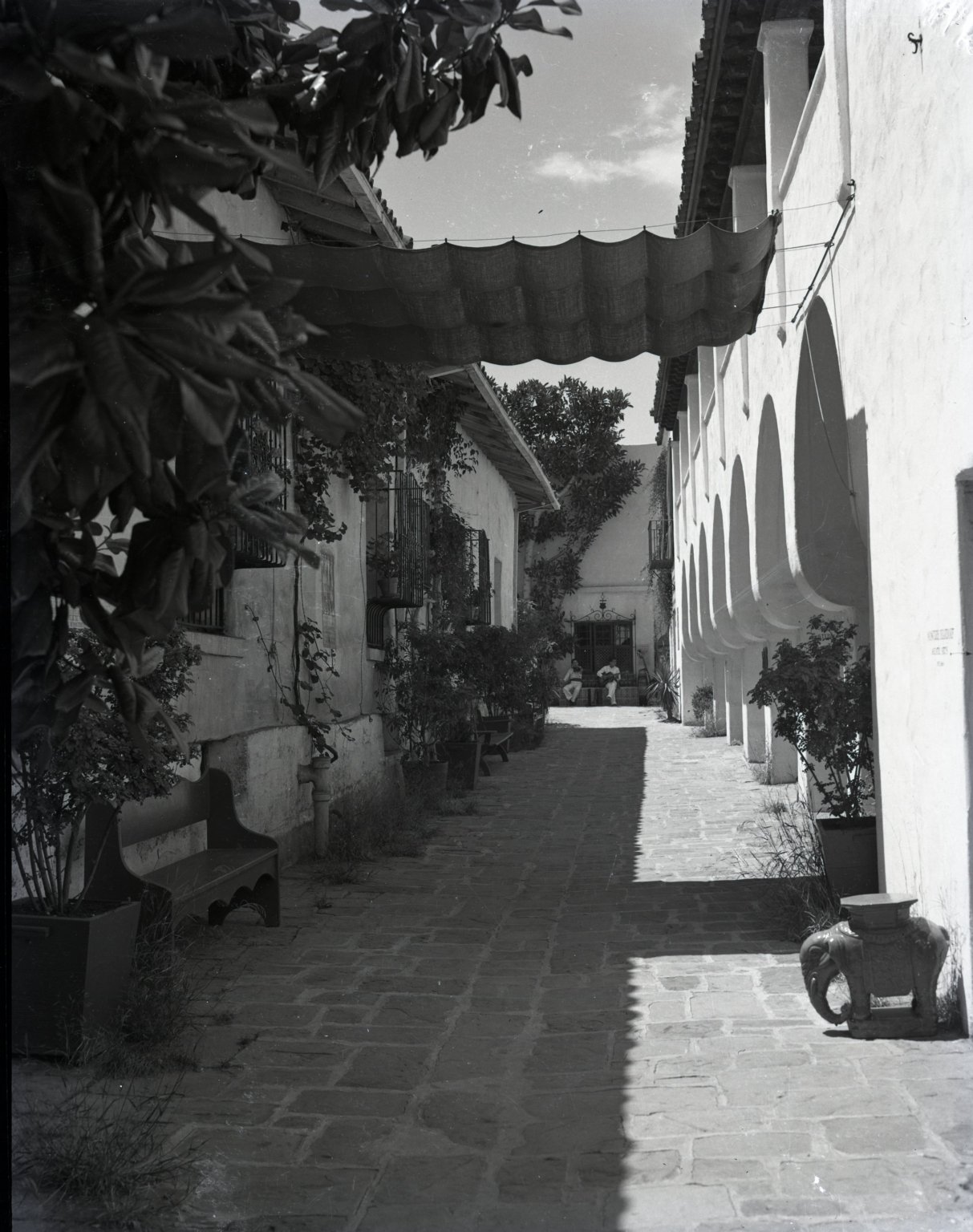
Preserving the Spirit of 1924
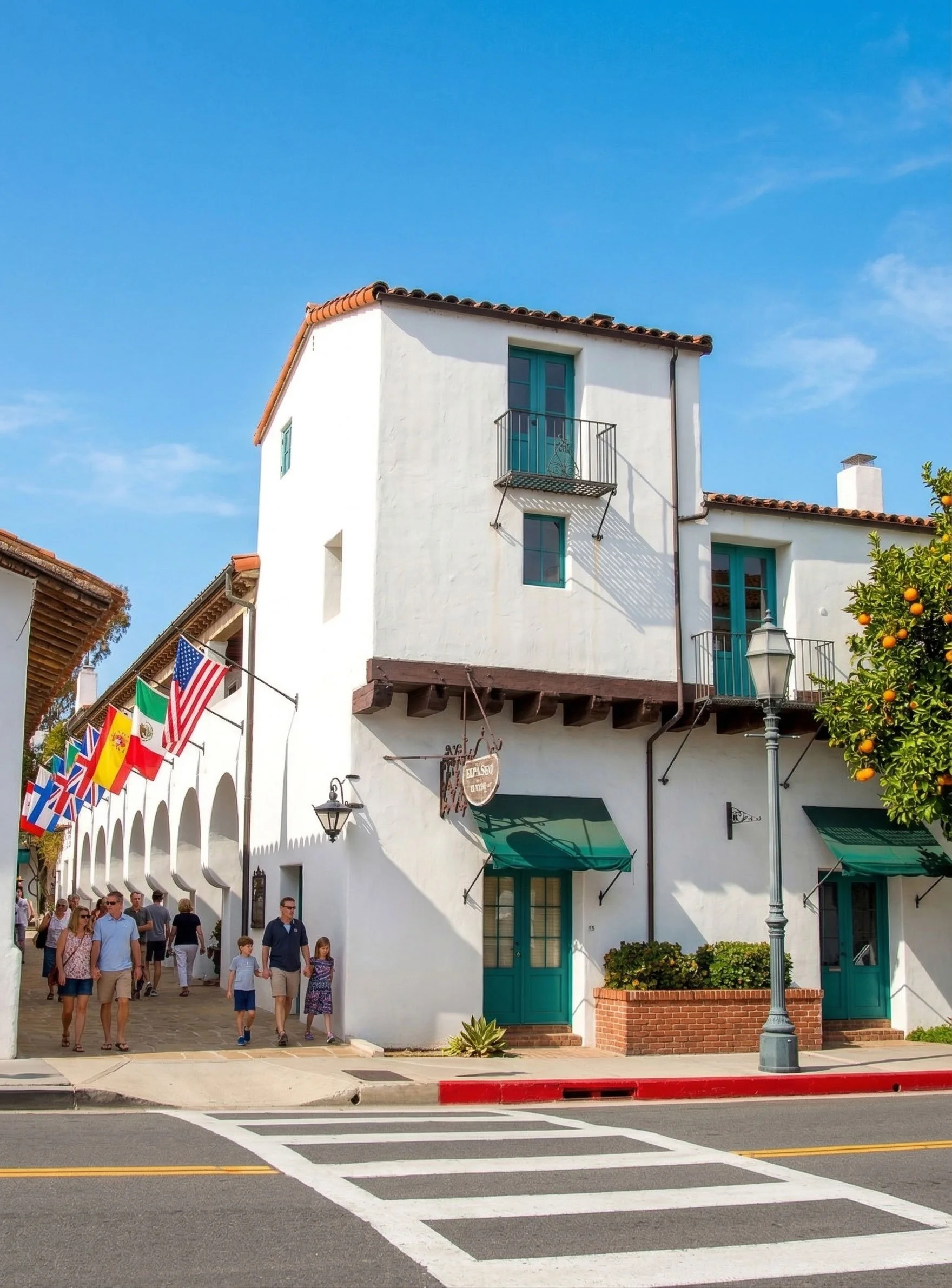
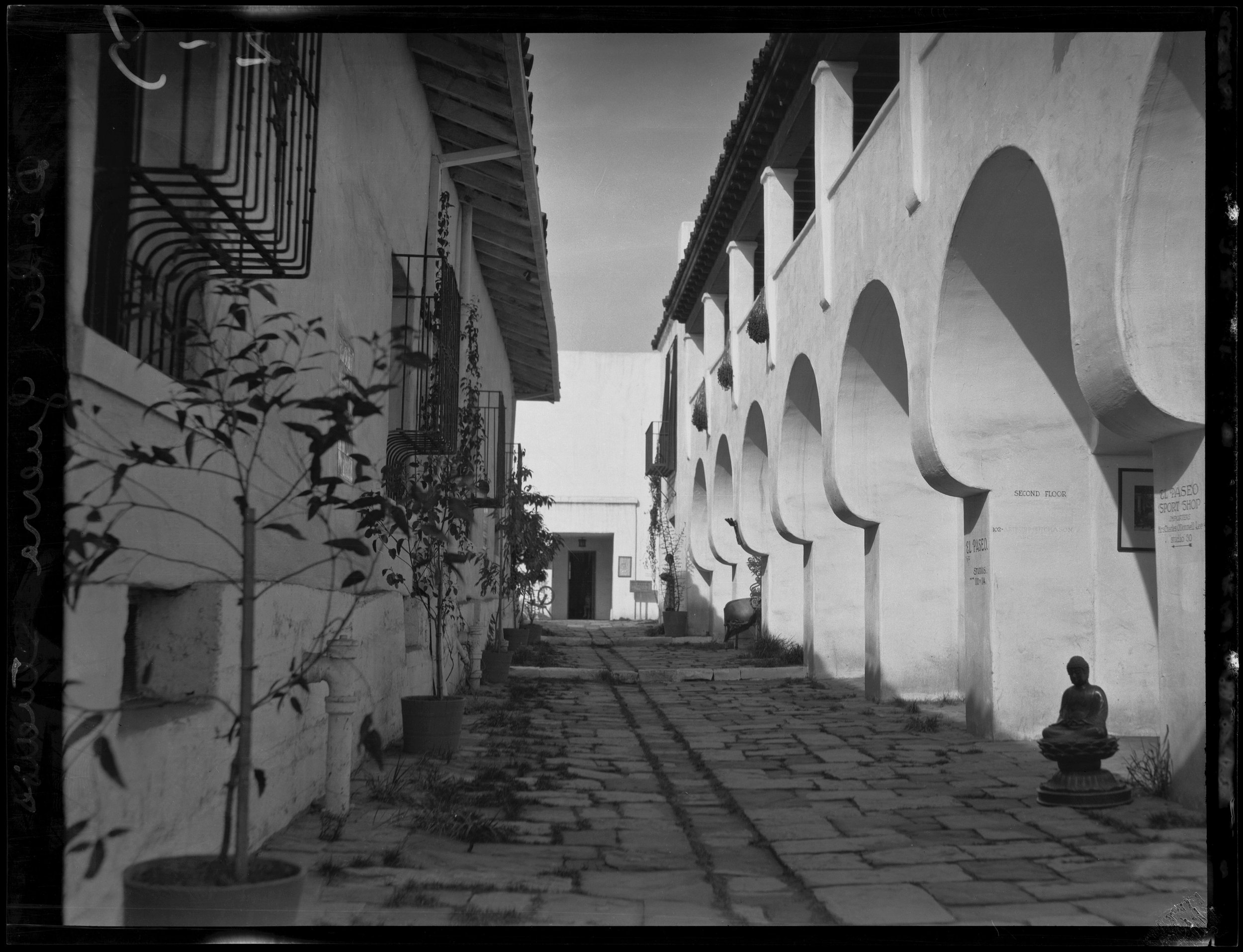
Step through the archways of El Paseo Santa Barbara and into the history of California. Built in the 1920s around the 1826 home of Comandante José de la Guerra, El Paseo is Santa Barbara’s original “Street in Spain.”
Today, El Paseo remains a vibrant hub where historic preservation meets modern elegance, inviting you to dine and shop within the same sun-drenched courtyards that have hosted Hollywood legends and community celebrations for over a century.
La Naranja
Historic Orange Trees of El Paseo
Back in the 1920s, when the "Street in Spain" was first being dreamed up, the scent of orange blossoms wasn't just a perfume; it was the smell of success. At the time, citrus was California’s 'other' gold, a massive export second only to the oil boom. By tucking these orange trees into the courtyards, the architects weren't just decorating; they were planting the very soul of the era. A century later, those same trees are still here, fruiting every year—a fragrant, living connection to the grit and elegance that built Santa Barbara.
Pro-tip: If you visit during the spring, the scent of the orange blossoms is so thick you can almost taste it. It’s our favorite time of year at El Paseo.


Viva La Fiesta!
Pure Santa Barbara Tradition

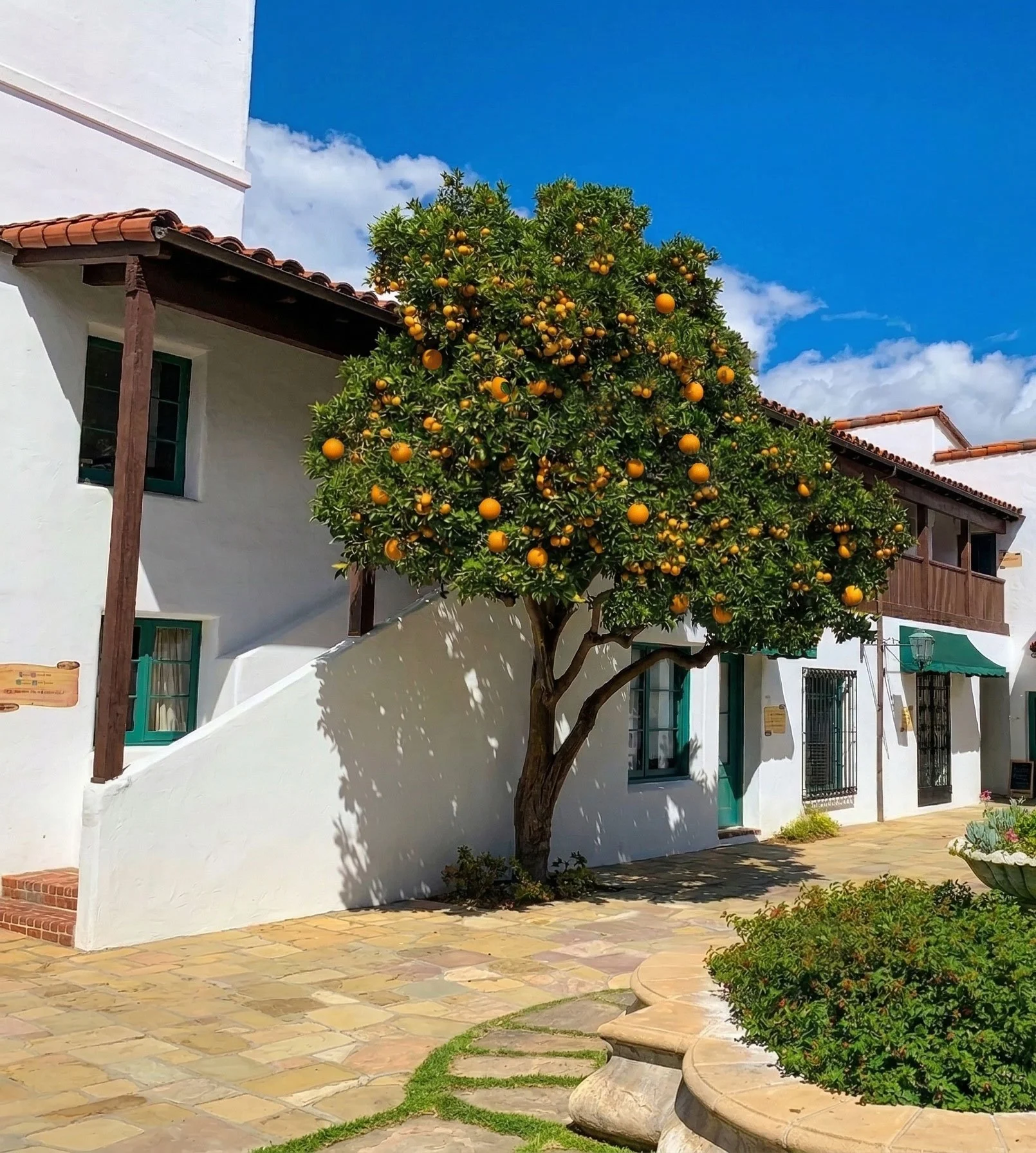
Built to celebrate our city’s reopening and its architectural rebirth, our courtyards have served as the unofficial headquarters for Santa Barbara’s most beloved tradition for over a century.
From the "Spirit of Fiesta" dancing under the stars to the legendary margaritas shared by generations of families, El Paseo Santa Barbara is where the history of Old Spanish Days comes to life. Come experience the tradition that started it all.
Directory


Shop. Dine. Explore.
A Timeless Landmark in Downtown Santa Barbara